Why BC attics need this
British Columbia is really two climates pressed together. The coast is wet and mild. The interior is dry and hot. The attic problem looks different on each side, but the fix is the same piece of equipment.
On the coast, Vancouver and Victoria get 150-plus days of measurable rain a year. From October through May, that wet air pushes into attics through soffit and gable openings, meets warm house-air rising from showers and cooking, hits the cool roof deck, and condenses. North-facing slopes grow thick mats of moss within five years. Decks rot from below. Insulation absorbs moisture and stops working. The 2021 heat dome also showed what summer can do: outdoor temps in Vancouver and Burnaby pushed 40°C (104°F) and attic probes read 55°C (130°F). Most coastal homes have no AC, so the upstairs becomes unsleepable for a week at a time.
In the interior, Kelowna, Kamloops, and Penticton run hot and dry. Summer highs hit 32°C to 38°C (90°F to 100°F) and attic probes regularly read 57°C (135°F) by mid-afternoon. Wildfire smoke from late August through September is the other interior challenge.
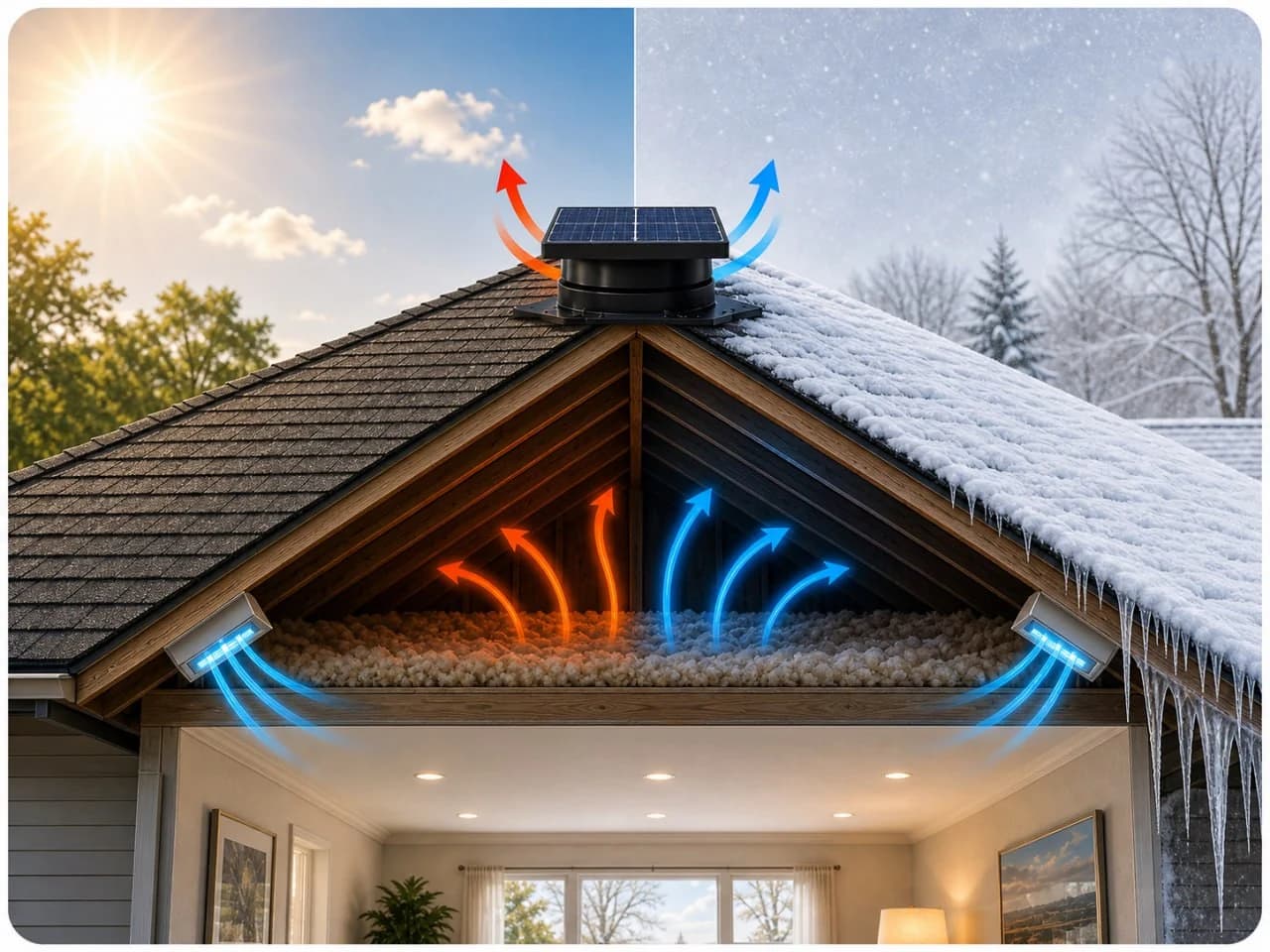
A solar attic fan handles all of it. It moves trapped hot air out during interior summers and coastal heat domes, and it pulls humid air out during long coastal winters before it can condense on the deck.
What we install
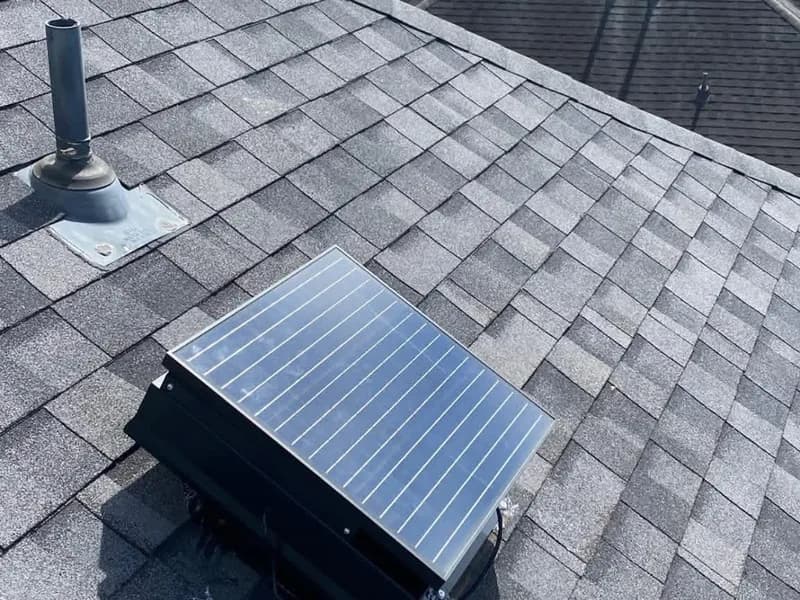
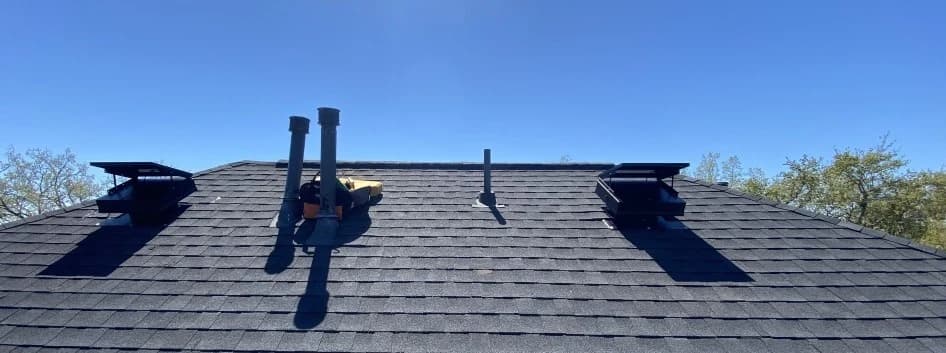
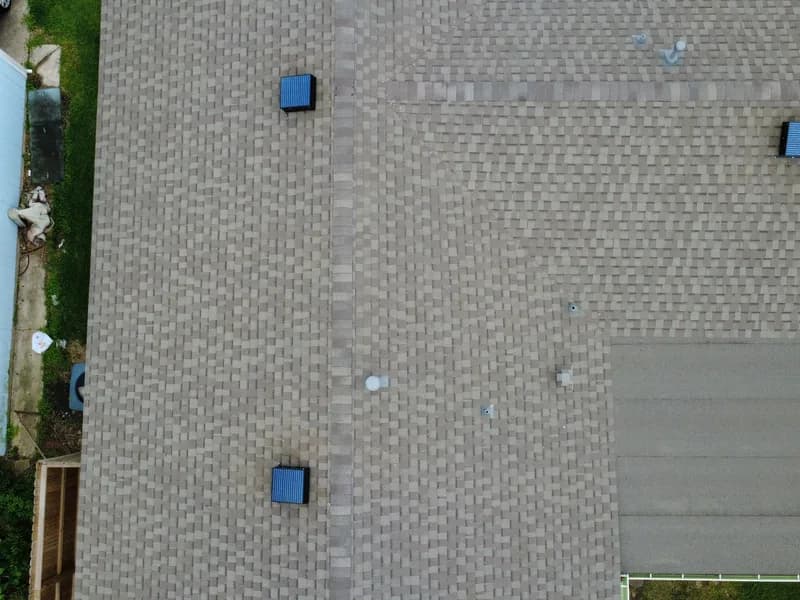
One 30W solar attic fan with the panel built into the housing, mounted on the back slope where it does not show from the street. The installer cuts a clean opening, flashes it for coastal wind-driven rain or interior wildfire ash, runs a humidistat (the variable that matters most on the coast), and ties it off. The fan has a manual cutoff for smoke season. Professional install in a single visit. No electrician, no new circuit, no operating cost added to your bill.
What you'll save
The average BC home uses about 11,000 kWh per year, with electricity covering more of the heating load than in most provinces. A typical summer power bill sits near $130 on the coast and higher in the interior where AC runs harder. Owners who install a solar attic fan usually see a 10 to 18 percent drop in summer cooling cost (per U.S. Department of Energy residential cooling-load guidance). On the coast, the bigger payoff is avoided mold remediation, which runs $4,000 to $10,000 in Vancouver and Victoria, and avoided premature reroofs from rotted decking.
The 30 percent U.S. federal Residential Clean Energy Credit does not apply in Canada. Check BC Hydro and the CleanBC Better Homes rebate program for current ventilation and home-energy retrofit rebates.
Installed by BC authorized installers
BC building stock spans Vancouver Special homes across the Lower Mainland, 1920s craftsman bungalows in East Vancouver and Victoria's Fairfield, 1980s splits across Surrey and Coquitlam, and newer builds in Kelowna's Mission and Lake Country. Most coastal homes have venting designs that predate modern insulation. Back-slope placement keeps the unit invisible from the street and clears strata rules we have seen across Burnaby, Surrey, and Kelowna. You pick a date, the installer shows up, and your attic stops holding water.