Why Texas attics need this
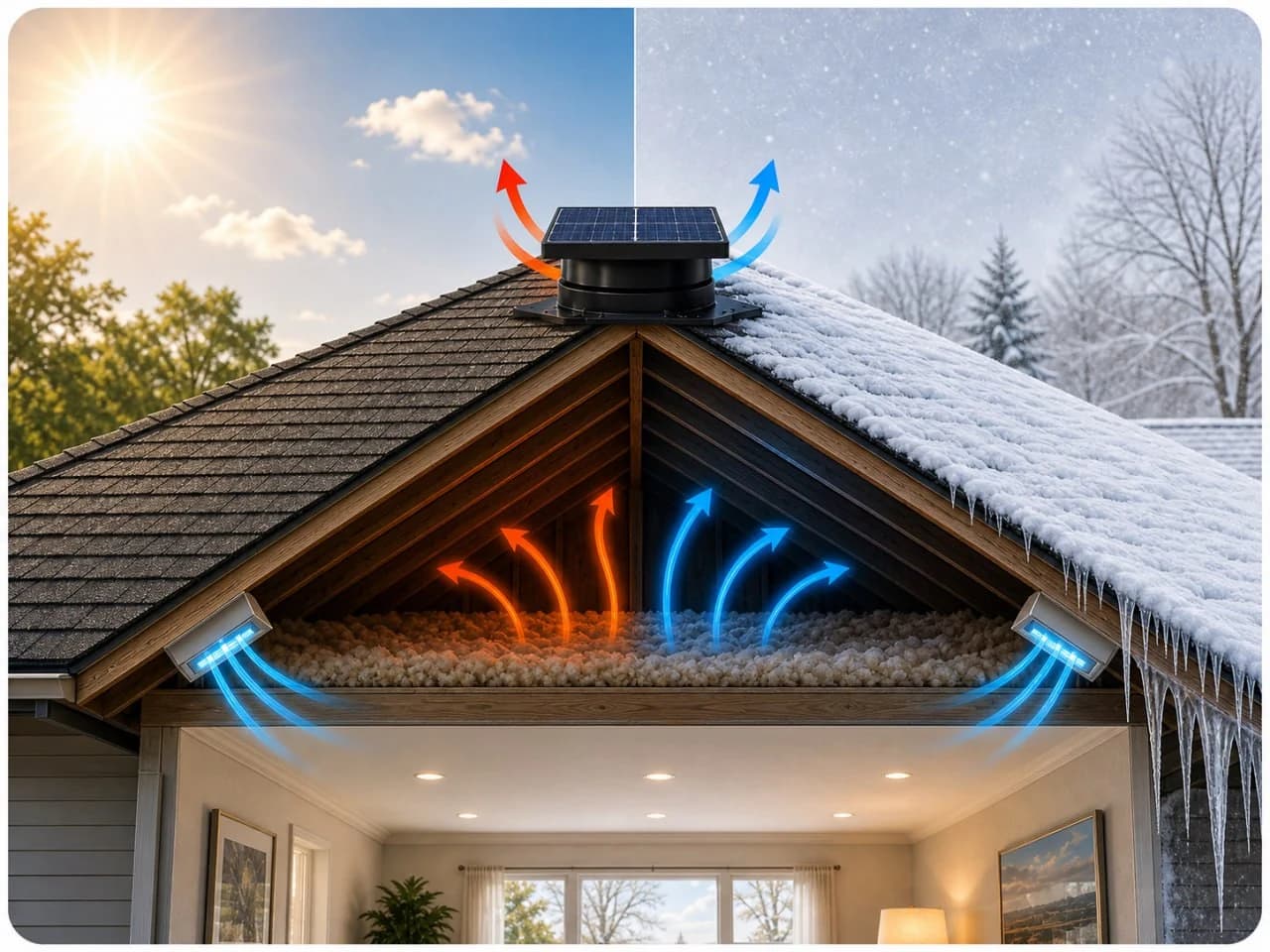
In July and August, Texas attics roast. Outside it might be 95°F in Dallas or 98°F in San Antonio. Up under the shingles, it is a different story. Attic air in a Texas home routinely hits 130°F. We have seen probe readings over 140°F in West Texas. That heat does not stay in the attic. It radiates down through the ceiling drywall into bedrooms, kitchens, and living rooms all night long. Your AC fights it. Your power bill pays for the fight.
A trapped attic is the silent reason your upstairs is always hotter than the thermostat says it should be. Insulation slows heat down. It does not stop it. The fix is to move that hot air out, and to do it with sunshine instead of electricity.
What we install
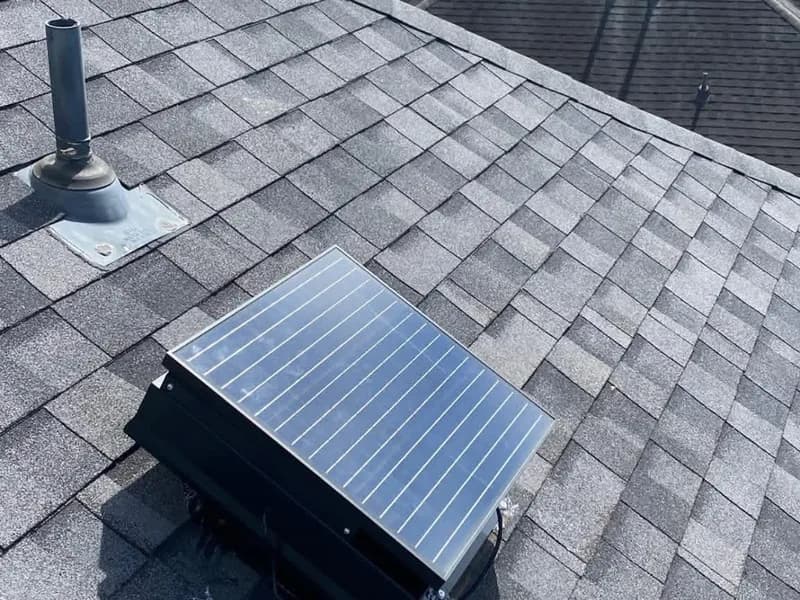
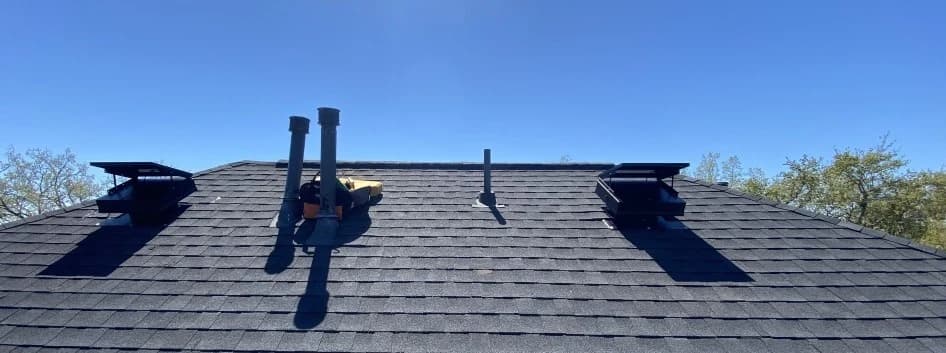
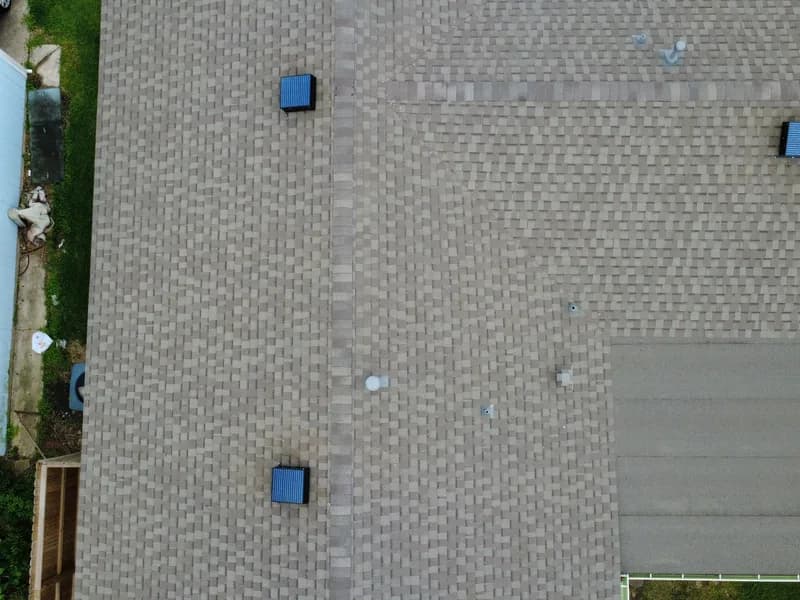
You get one solar attic fan, sized for a typical Texas home, paired with an authorized installer who does the install. The unit is a 30W solar attic fan with its own solar panel built into the housing. It mounts on the back slope of your roof so it does not show from the curb. The installer cuts a clean opening, seals it for Texas storms, runs a thermostat and a humidistat, and ties everything off. Professional install in a single visit.
No electrician. No new circuit. No operating cost added to your bill. Sun hits the panel, the fan spins, and a lot of trapped attic air gets pushed out. When the sun goes down or a thunderstorm rolls in, the fan rests. When the next Texas afternoon cooks the shingles again, it goes back to work.
What you'll save
The average Texas home uses about 14,400 kWh per year, well above the national average. A typical Texas summer power bill sits near $280 in July or August, and a lot of that is your AC pulling double shifts because the attic above it is acting like an oven.
Owners who install a solar attic fan in Texas usually see a 15 to 25 percent drop in summer cooling cost (per U.S. Department of Energy residential cooling-load guidance). On a $280 August bill, that is $42 to $70 back in your pocket that month. Across a Texas cooling season that stretches from May to October, the math gets serious. Add in the longer roof life from cooler shingles and lower attic humidity, and the fan pays for itself well before its warranty runs out.
Real Texas install scenarios
Houston, Heights neighborhood. A 1940s bungalow with a low-slope roof and original soffit vents. The owner kept her thermostat at 76°F but the back bedroom never dropped under 82°F after 3pm. Gulf humidity made it worse because warm wet attic air condenses on cooler ductwork. We installed the solar fan on the north-facing back slope and added a humidistat. Back bedroom now tracks the rest of the house within 1°F by sundown.
Plano, north of Dallas. A two-story brick home with composite shingles and a 14-year-old roof. Classic DFW build. The upstairs game room was unusable from June through September. Attic ridge venting alone was not pulling enough air through the long run of the house. The solar fan, mounted on the back slope above the garage, pulled the attic temp from 138°F down to 108°F within a week of install. The owner reported his July bill dropped from $315 to $241.
Round Rock, just north of Austin. A hill-country build with serious west-side sun exposure and dark architectural shingles that absorb everything. Attic temps in late June were over 142°F on the install crew's probe. We placed the fan high on the back slope where it would catch the longest solar window. By the end of August, the owner texted us to say her AC was cycling off more often during the worst part of the afternoon for the first time since she bought the house.
Installed by Texas authorized installers
Some HOAs in newer Plano, Frisco, and Sugar Land builds have placement rules so the unit cannot be seen from the front of the home. Our installers default to back-slope placement, which clears almost every HOA rule we have seen.
You pick a date, the installer shows up, and your attic stops cooking.