Why Colorado attics need this
Colorado attics get cooked from a direction most homeowners do not think about. Denver sits at 5,280 feet. Colorado Springs sits at 6,035. Up here the atmosphere is roughly 17 percent thinner than at sea level, which means the UV load hitting your shingles is significantly stronger than it would be in Houston on the same calendar day. Outside temps in July hover near 88°F on the Front Range, but attic probes routinely read 135°F to 145°F by 4pm. The shingles themselves are taking more solar punishment per hour than almost anywhere in the lower 48, and the attic stores every bit of it.
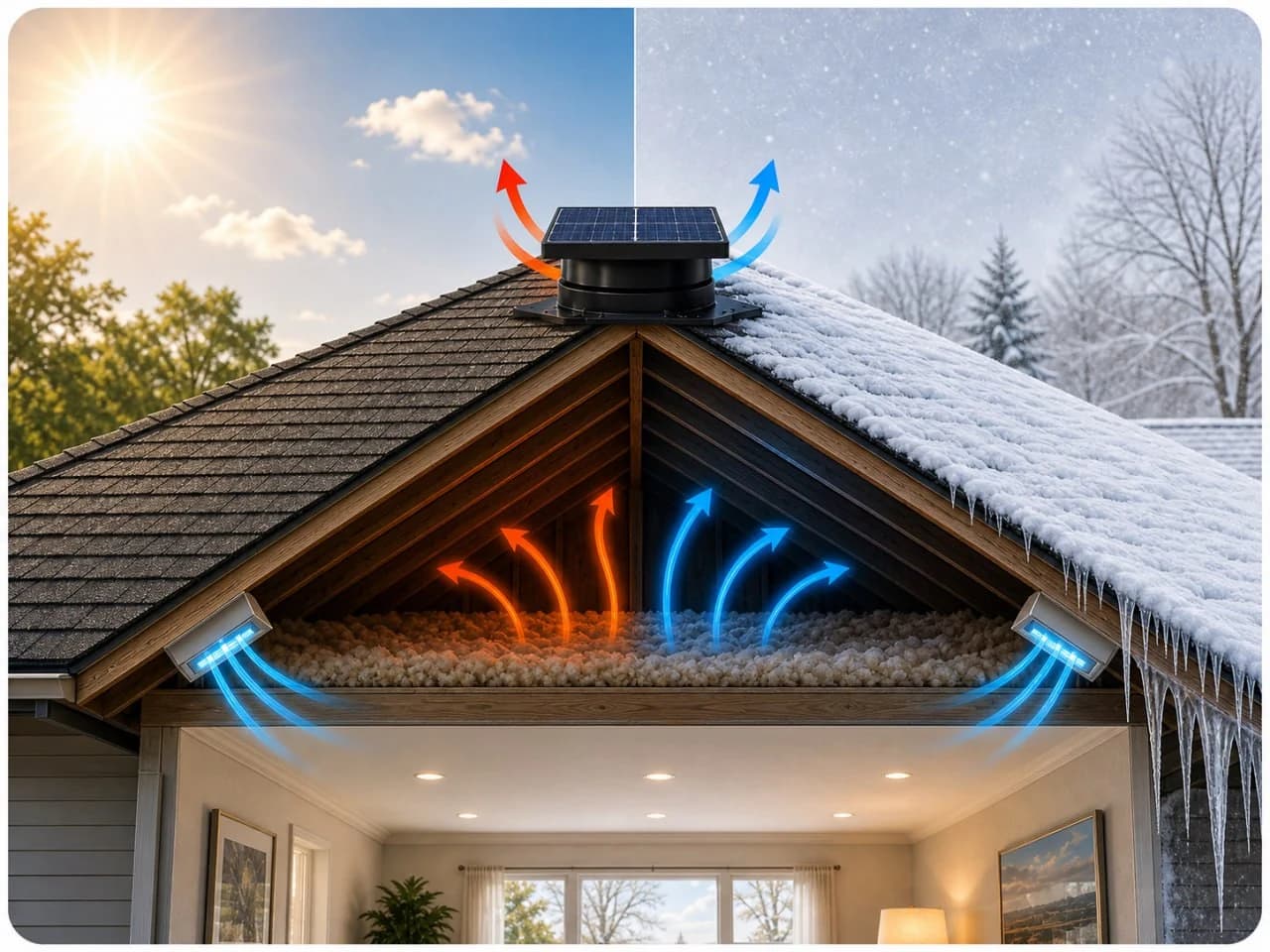
The other Colorado twist is the daily temperature swing. A typical July day on the Front Range starts at 58°F and climbs to 88°F. That is a 30°F daily swing, more than double what you see in humid Gulf states. Your attic expands and contracts through that range every 24 hours. Asphalt shingles installed in Aurora or Lakewood often need replacement at 12 to 15 years instead of the 20 to 25 you would expect in a milder climate, and the dry mountain air does nothing to slow that down. Then winter hits. Freeze-thaw cycles work cracks open, and ice damming along eaves becomes a real problem when warm attic air hits a cold roof deck. Moving the hot air out in summer and the moist warm air out in winter is the same fix.
What we install
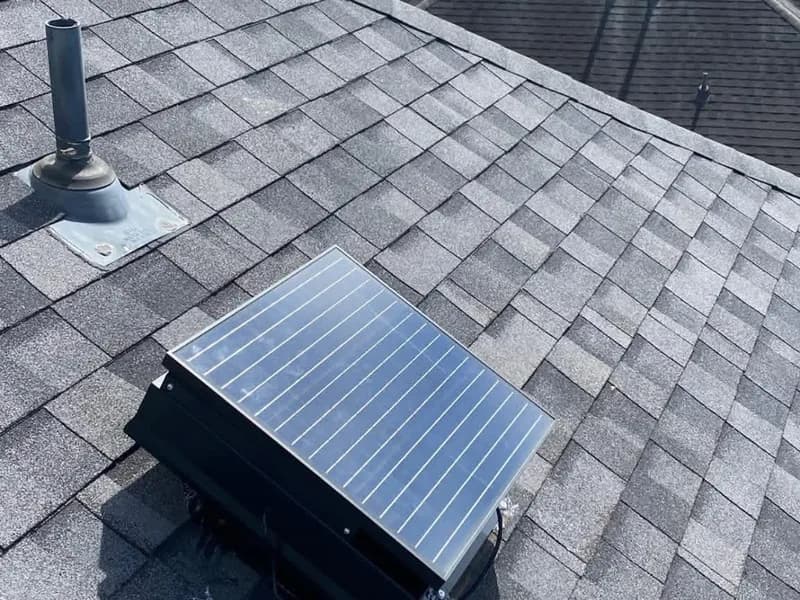
You get one 30W solar attic fan, sized for a Colorado home, paired with an authorized installer who handles the install. The solar panel is built into the housing. The unit is UV-stabilized, which matters more at altitude than people realize. The cheap plastic ridge vents and turbine vents that fail early on Front Range roofs usually fail from UV, not from wind.
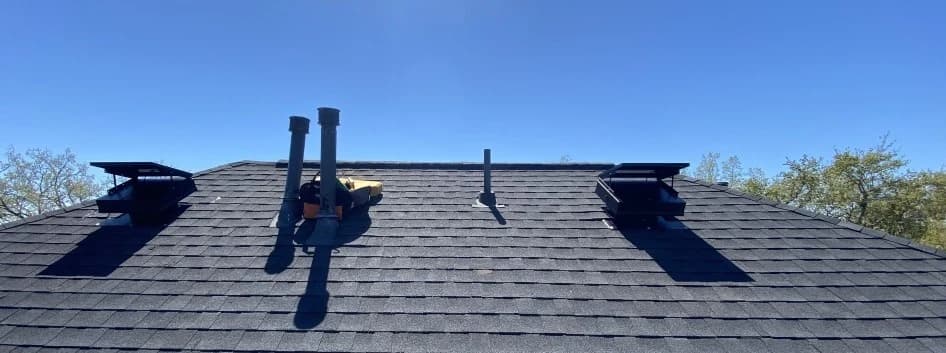
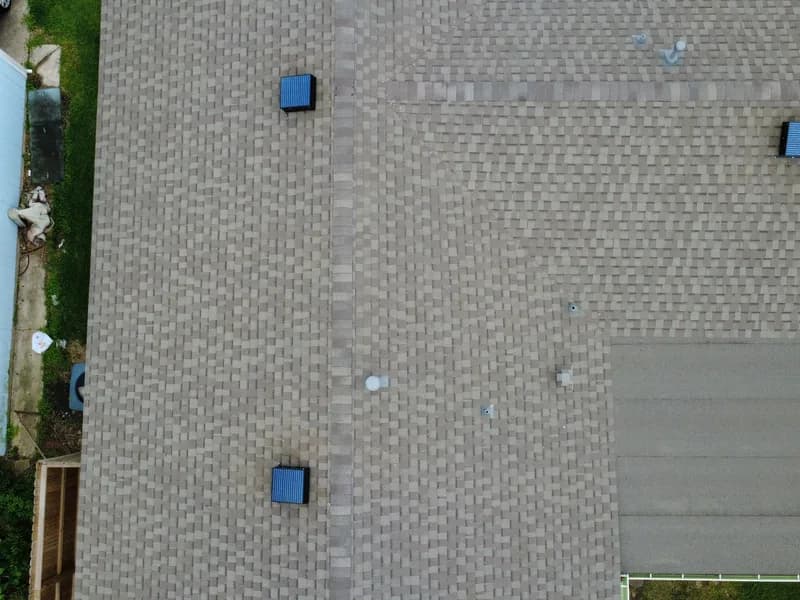
The installer mounts the fan on the back slope so it stays hidden from the street, cuts a clean opening, seals it for Colorado wind and hail-belt weather, runs a thermostat and a humidistat, and ties off the flashing. Professional install in a single visit. No electrician. No new circuit. Sun hits the panel, the fan spins, hot attic air moves out.
What you'll save
The average Colorado home uses about 8,500 kWh per year, well below the national average because mountain nights cool off and overnight AC load drops. A typical Front Range summer power bill sits near $165 in July or August. Cooling is still the largest single line item from May through September.
Owners who put a solar attic fan on a Colorado home usually see a 12 to 22 percent drop in summer cooling cost (per U.S. Department of Energy residential cooling-load guidance). On a $165 August bill, that is $20 to $36 back. The bigger long-game payoff in Colorado is the roof itself. Asphalt shingles at altitude often need replacement at 12 to 15 years because they bake from underneath in summer and freeze-thaw from above all winter. Cool the attic dramatically and you buy real years back before the next roof.
Real Colorado install scenarios
Denver, Park Hill neighborhood. A 1940s brick bungalow east of City Park, low-pitched roof, original soffit vents, dark architectural shingles installed about 12 years ago. The owner kept her thermostat at 76°F but the upstairs converted attic bedroom hit the mid-80s by 5pm in July. We pulled an attic probe reading of 139°F on an 89°F afternoon. The installer set the fan on the back slope facing the alley so the Park Hill historic look from the street stayed clean. Two weeks later the probe was reading 110°F at the same hour and the upstairs tracked the rest of the house within 2°F by sundown.
Colorado Springs, Old Colorado City. A 1920s Victorian on the west side with a steep roof, dark composite shingles, and brutal afternoon sun coming straight off Pikes Peak. Old Colorado City sits at 6,000 feet so the UV load is intense even when the air feels cool. The attic was trapping 142°F by 4pm in late June. The owner reported his upstairs office was unusable from 2pm to sundown. We mounted the fan high on the back slope to catch the longest solar window. His July bill dropped from $195 to $148 and the office became workable in the afternoon for the first time in three summers.
Fort Collins, Old Town. A 1910s craftsman near City Park with original cedar trim, an HOA-style historic preservation overlay, and architectural shingles installed in 2014. The owner had already replaced two turbine vents that cracked from UV. We placed the solar fan on the rear-facing slope below the ridge line so it stays invisible from the front sidewalk view that the preservation rules care about. The owner texted us in late August: the upstairs bedroom dropped from 81°F at 7pm to 75°F at 7pm and the AC stopped running past 10pm for the first time that summer.
Installed by Colorado authorized installers
Front Range building stock leans heavily on brick ranches with finished basements, postwar bungalows in Park Hill and Wash Park, and newer master-planned builds in Highlands Ranch, Castle Rock, and Broomfield. Many of those newer HOA neighborhoods have strict roofing rules about visible equipment. Our installers default to back-slope placement, which clears almost every HOA rule we have seen on the Front Range. Older Boulder and Fort Collins historic districts have preservation overlays instead of HOAs, and the same back-slope rule keeps you compliant there too. You pick a date, the installer shows up, and your attic stops cooking.