Why Tennessee attics need this
Tennessee runs the length of the state in three Grand Divisions, and each one cooks an attic a different way. West Tennessee, anchored by Memphis, sits in the Mississippi Delta and pulls flat humid heat off the river from late May into September, with dew points parked in the mid 70s and almost no elevation relief. Middle Tennessee, centered on Nashville and Murfreesboro, drops into a Tennessee Valley heat-island pattern where the downtown core and the surrounding bowl trap afternoon heat well past sundown. East Tennessee runs into the foothills of the Smokies around Knoxville and Chattanooga, where the climate is closer to Appalachian than Deep South, but the mountain shade traps moisture in attics instead of letting it breathe.
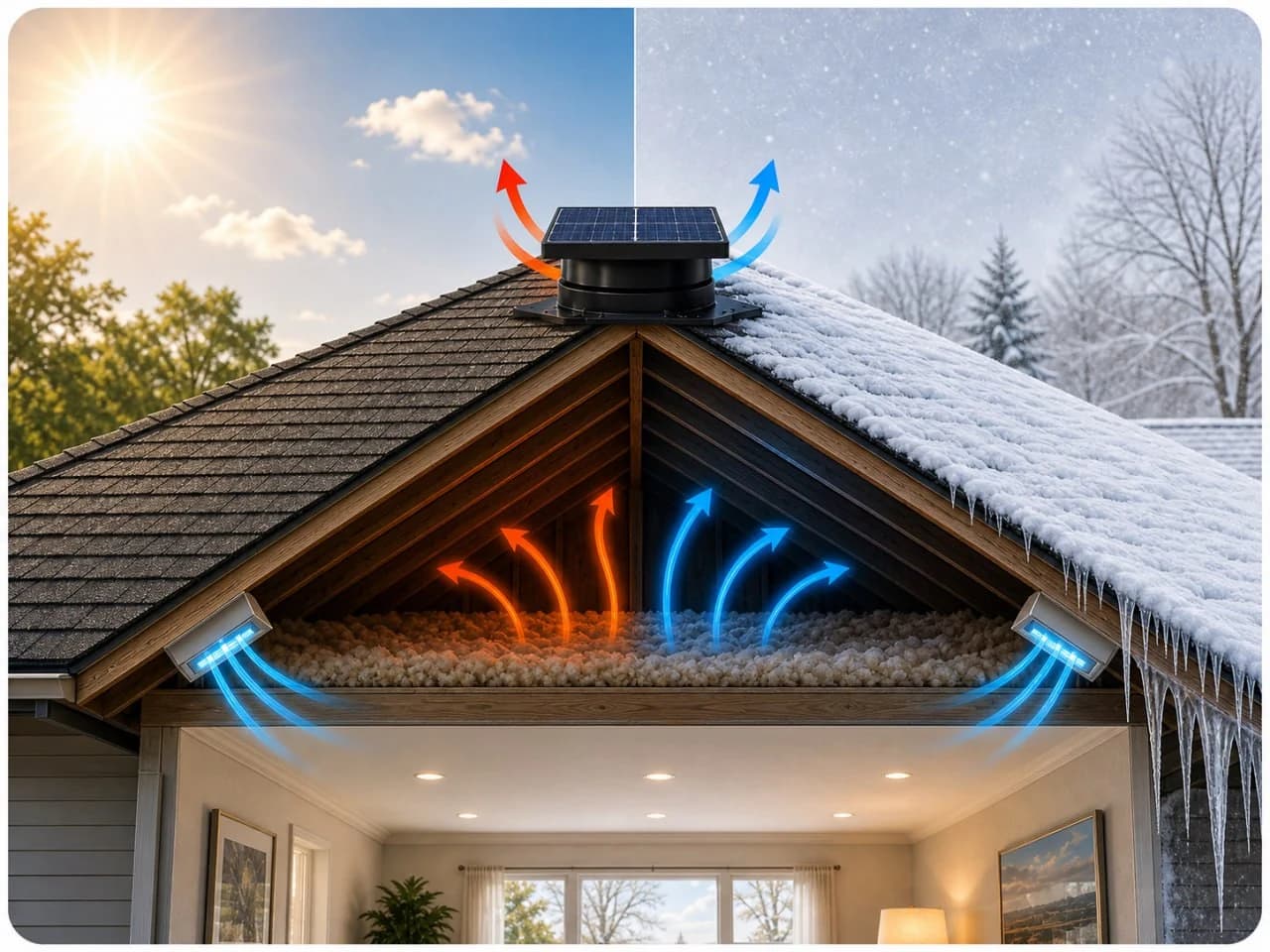
Attic probes in Memphis routinely read 135°F by 4pm in August, and the Mississippi River humidity layered on top is what makes a West Tennessee attic the most punishing in the state. Nashville and Murfreesboro probes hit 130°F to 134°F on the worst Tennessee Valley afternoons, and the heat dome pattern keeps that load sitting on the deck long after the sun has dropped behind the hills. Insulation slows that load. It does not move it.
What we install
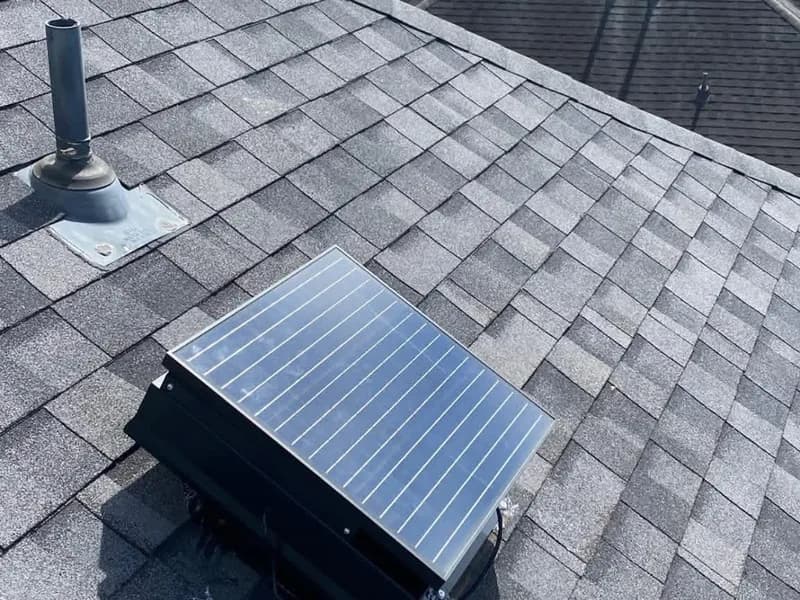
You get one 30W solar attic fan, sized for a Tennessee home, paired with an authorized installer who handles the install. The solar panel is built into the housing. The motor is sealed against the Mississippi Valley and Tennessee Valley humid air it lives in, because a Memphis or Nashville attic in August holds enough moisture to corrode a cheap turbine motor out inside two summers.
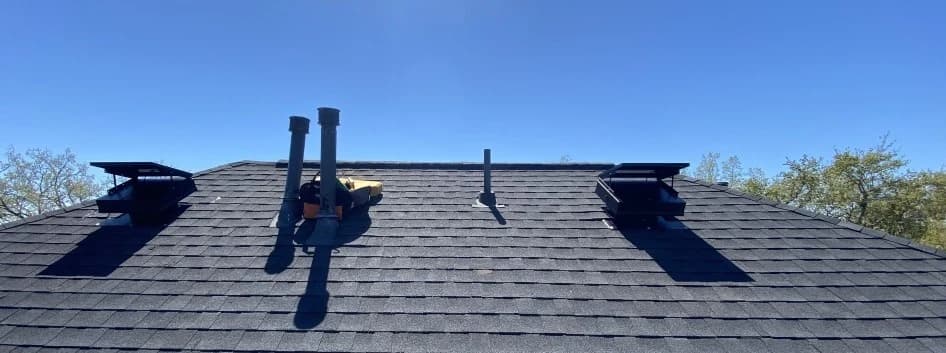
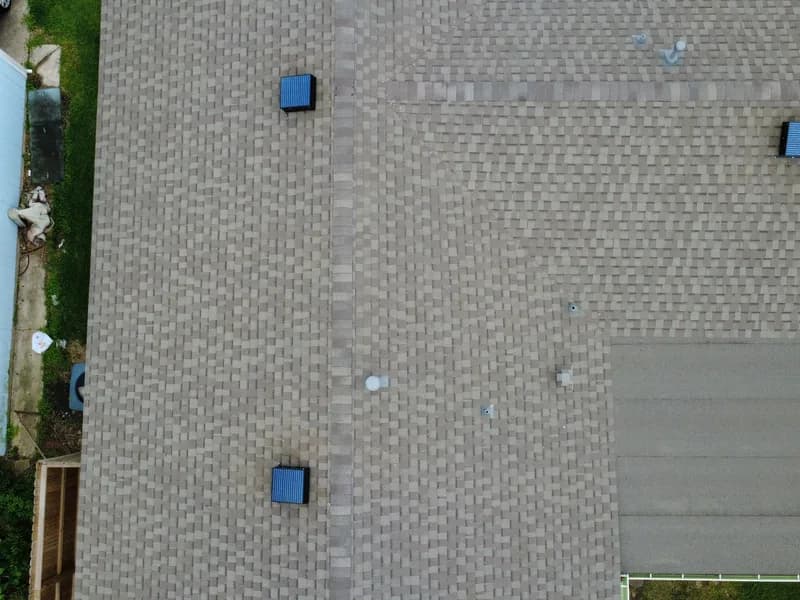
The installer mounts it on the back slope so it stays hidden from the curb, which also keeps it inside the architectural rules common in newer Williamson County HOAs around Franklin, Brentwood, and Westhaven, and in the Mount Juliet master-planned subdivisions east of Nashville. We use wind-rated mounting hardware across all three Grand Divisions because Middle Tennessee sits on the eastern edge of tornado alley and severe thunderstorm wind is the rule, not the exception, from March through June. They cut a clean opening, seal it for wind-driven storm rain, run a thermostat and a humidistat, and tie off the flashing. Professional install in a single visit. No electrician, no new circuit.
What you'll save
The average Tennessee home uses about 13,500 kWh per year, with most of the cooling load stacked from late May through September across the state and a slightly longer shoulder in Memphis because the Delta humidity does not break early. A typical summer power bill in Nashville, Memphis, or Knoxville sits near $200 in July or August, and a real share of that is your AC fighting humid attic air pushing down through the bedroom ceilings.
Owners who put a solar attic fan on a Tennessee home usually see a 15 to 25 percent drop in summer cooling cost (per U.S. Department of Energy residential cooling-load guidance). On a $200 August bill, that is $30 to $50 back that month. The payoff reads differently across the Grand Divisions. In Memphis the humidistat does as much work as the thermostat, pulling Delta moisture off the joists before it can feed mildew. In Nashville the heat-island load is the headline and the fan keeps the upstairs livable on the worst heat-dome afternoons. In East Tennessee the bigger win is roof life, because a shaded mountain attic still cooks moisture into the deck plywood, and a moving column of air pushes the next roof replacement out by real years.
Real Tennessee install scenarios
Nashville, East Nashville neighborhood. A 1940s bungalow in the urban heat-island core east of the Cumberland River, with original soffit vents and dark architectural shingles replaced after the 2020 tornado track south of Five Points. The owner kept her thermostat at 75°F but the back bedroom sat at 84°F by 6pm and her July Nashville Electric Service bill had climbed to $246. Attic probe read 132°F at 4pm on an 89°F afternoon. The installer set the fan on the back slope where the late-day sun window was longest, added a humidistat, and within ten days the probe read 108°F at the same hour. Her August bill came in $44 lower than July.
Memphis, East Memphis off Poplar. A 1960s brick ranch with a low-pitched asphalt roof and the full Mississippi Delta humidity load coming off the river every afternoon. The owner had ridden out a string of brutal Memphis Augusts with the thermostat at 74°F and the back of the house still sat at 82°F by 7pm. Attic probe read 135°F at 4pm on a 93°F day with a 76°F dew point, and the back hall closet smelled musty year round. We used a sealed motor housing for the humidity load, set the fan on the rear slope, and the humidistat carried most of the work. The closet smell was gone by week one and her August MLGW bill dropped $52 year over year.
Knoxville, Sequoyah Hills. A 1930s stone traditional under heavy hardwood shade along Cherokee Boulevard, with a 13-year-old asphalt roof and a long unbroken attic run over the second floor. The owner's complaint was not the worst hour of the day, it was that the upstairs guest room sat at 80°F at 10pm because the East Tennessee mountain shade trapped attic moisture instead of letting it vent. Attic was holding 128°F at 5pm and not letting go, and the humid air radiated down well past sundown. We placed the fan on the back slope above the rear addition where the canopy thinned out enough to catch real afternoon sun, and his August KUB bill dropped from $214 to $163. The guest room finally hit thermostat setpoint before 9pm.
Installed by Tennessee authorized installers
Newer Williamson County HOAs around Franklin, Brentwood, and Westhaven, and the Mount Juliet master-planned communities east of Nashville, have placement covenants so the unit cannot be seen from any street-facing slope. Our installers default to back-slope placement, which clears almost every HOA rule we have seen, and we use wind-rated mounting across all three Grand Divisions because severe thunderstorm wind is the rule in Middle Tennessee, not the exception.