Why PEI attics need this
Prince Edward Island is small, but the attic problem is the same one that hits the rest of the Maritimes. Charlottetown and Summerside July highs run 22°C (72°F), but under dark asphalt shingles attic probes routinely read 46°C to 49°C (115°F to 120°F) on plain July afternoons. Atlantic humidity holds the warm air in place. Most homes were not built with AC, and the upstairs sits noticeably hotter than the main floor through summer evenings.
The bigger fight is the rest of the year. From October through April, attics fight moisture from inside and out. Indoor humidity from showers, cooking, and wood stoves rises and condenses on cold sheathing. The Island catches hurricane remnants in September and Nor'easters all winter. Fiona in 2022 left a trail of roof damage across Charlottetown, Stratford, and Cornwall and exposed how many attics had insufficient ventilation flashing. Salt-air corrosion on coastal homes eats cheap fasteners in a single season.
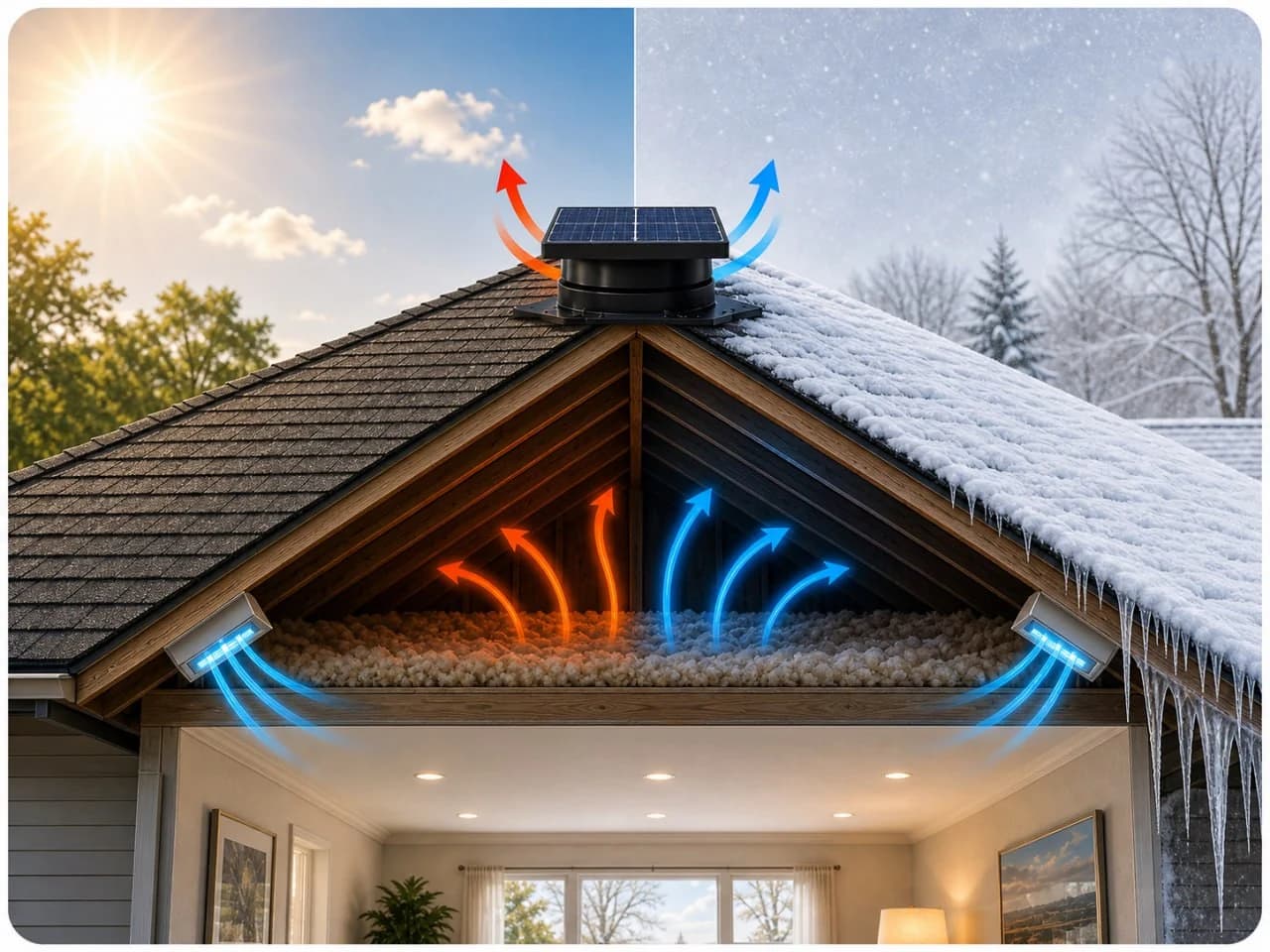
A solar attic fan handles both jobs. It moves the summer heat out and pulls humid air out before it can rot the deck.
What we install
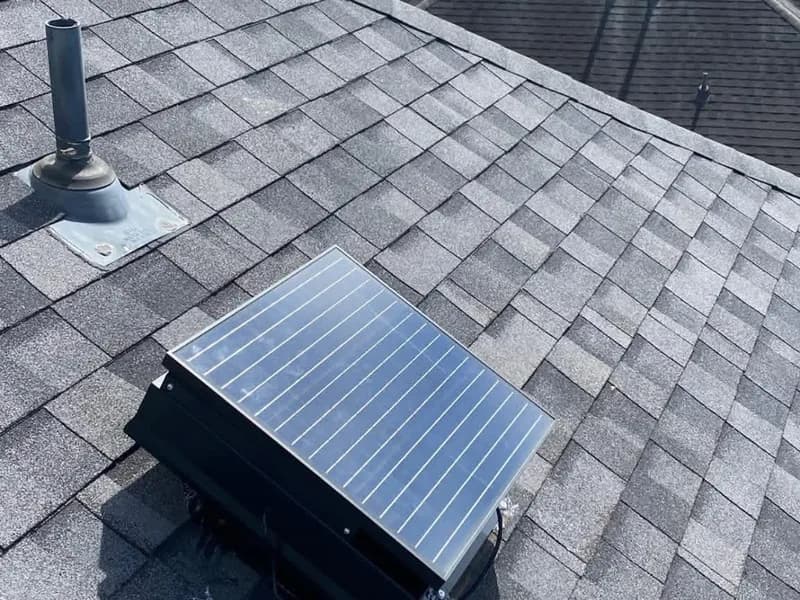
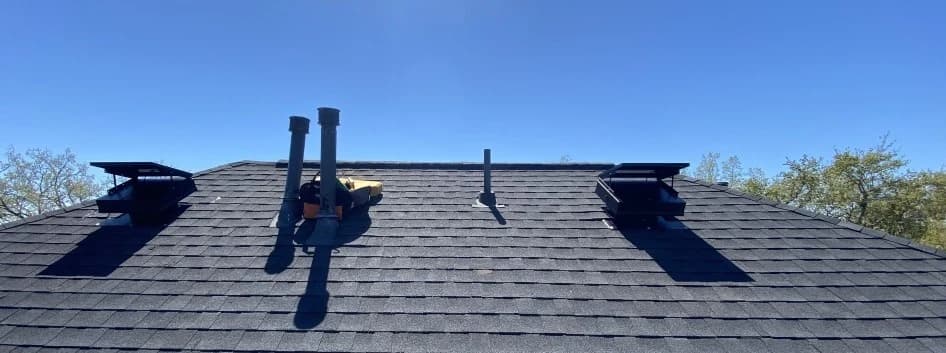
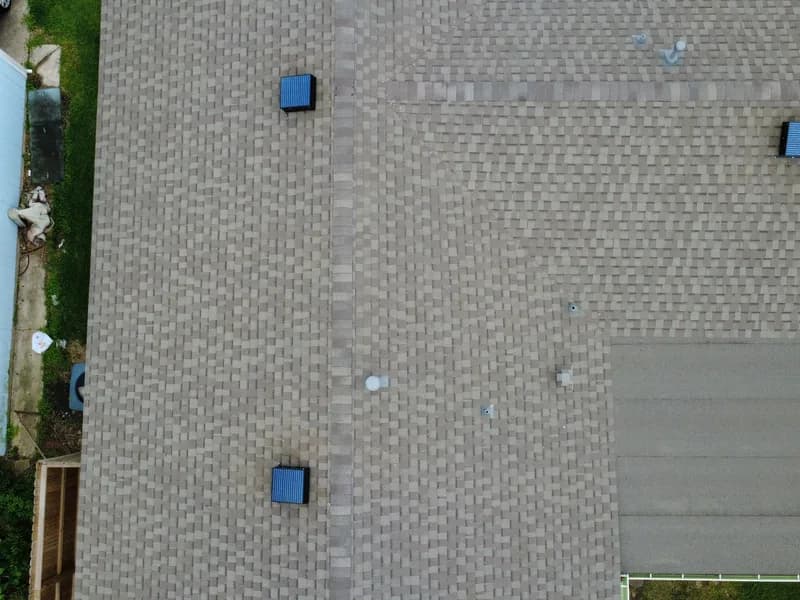
One 30W solar attic fan with corrosion-resistant aluminum housing built for Atlantic salt air, mounted on the back slope where it does not show from the street. The installer cuts a clean opening, flashes it for hurricane and Nor'easter wind-driven rain, runs a humidistat, and ties it off with stainless hardware. Professional install in a single visit. No electrician, no new circuit, no operating cost added to your bill.
What you'll save
The average PEI home uses about 10,500 kWh per year, with electric and oil heat splitting most homes. A typical summer power bill in Charlottetown sits near $110 in July. Owners who install a solar attic fan usually see an 8 to 15 percent drop in summer cooling cost (per U.S. Department of Energy residential cooling-load guidance). The bigger payoff on the Island is avoided rot. A wet attic for ten months a year shortens shingle life by five to ten years.
The 30 percent U.S. federal Residential Clean Energy Credit does not apply in Canada. Check efficiencyPEI for current insulation, ventilation, and home-retrofit rebates.
Installed by PEI authorized installers
PEI building stock leans on 1800s and 1900s wood-frame homes around Old Charlottetown, postwar bungalows across Summerside and Stratford, and newer subdivisions in Cornwall and Stratford. Many older Charlottetown homes have venting that predates modern insulation. Charlottetown heritage rules in the downtown core can restrict street-facing roof equipment, and back-slope mounting clears them. You pick a date, the installer shows up, and your attic stops holding water.